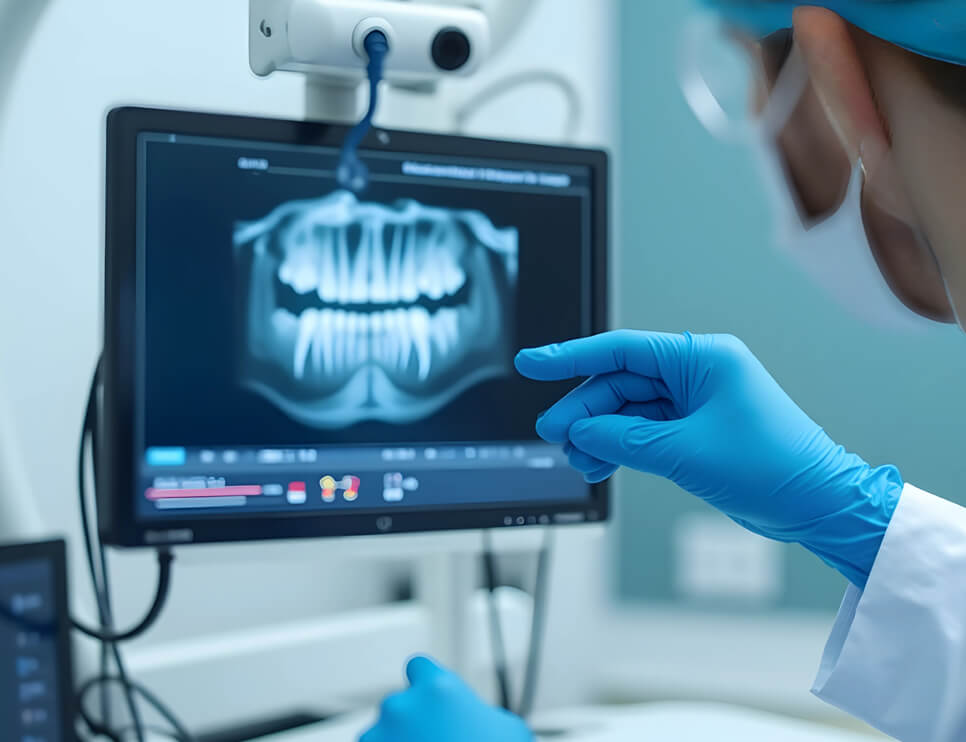
If you’ve ever felt jaw pain, tightness when you wake up, or a clicking sound when you chew, you’re not alone—and you’re not imagining it. These are common signs of TMJ disorder, a condition that affects the temporomandibular joint (TMJ), which connects your jaw to your skull.
TMJ issues can quietly work their way into your daily life, making eating, speaking, and even sleeping uncomfortable. The good news is that relief is possible—and it often starts with understanding what’s happening. Continue below to learn more.
Common TMJ Symptoms
TMJ symptoms don’t look the same for everyone. Some people feel constant discomfort, while others notice flare-ups during stressful periods or after a poor night’s sleep. Common systems of TMJ include:
- Jaw pain or tenderness
- Clicking, popping, or grinding sounds when opening or closing your mouth
- Headaches or migraines
- Ear pain or a feeling of fullness in the ears
- Facial soreness
- Difficulty opening your mouth fully
- Neck or shoulder tension
Because TMJ symptoms often overlap with sinus issues, ear problems, or tension headaches, they’re frequently overlooked or treated without addressing the real cause.
What Causes TMJ Issues?
TMJ disorders can develop for several reasons, including:
- Teeth grinding or clenching (often during sleep)
- Misaligned bite or uneven tooth wear
- Stress-related jaw tension
- Injury to the jaw or head
- Arthritis affecting the joint
In many cases, it’s not just one factor—it’s a combination that puts strain on the joint over time.
TMJ Relief Options That Actually Help
TMJ treatment isn’t one-size-fits-all. At Tatum Dentistry, the goal is to identify why your jaw is under stress and create a treatment plan that brings long-term relief—not just temporary fixes.
Common TMJ relief options include:
- Custom night guards: Designed to reduce grinding and clenching, these protect your teeth and relieve pressure on the jaw joint while you sleep.
- Bite adjustment or alignment support: When your bite is off, your jaw has to work harder than it should. Correcting bite issues can significantly reduce strain.
- Muscle relaxation techniques: Guided exercises and lifestyle recommendations can help relax overworked jaw muscles.
- Stress management strategies: Since stress often triggers clenching, addressing it can make a noticeable difference in symptoms.
- Comprehensive evaluation and monitoring: TMJ disorders can change over time. Ongoing care ensures your treatment evolves as your needs do.
When Should You See a Dentist for TMJ?
If jaw pain, headaches, or facial tension are becoming part of your normal routine, it’s time to get answers. TMJ symptoms tend to worsen when left untreated, and early care can prevent more serious joint issues down the road.
You Don’t Have to Live With Jaw Pain—Reach Out to Tatum Dentistry for TMJ Treatment in Charleston
TMJ discomfort can be frustrating, exhausting, and disruptive—but it doesn’t have to be permanent. With the right diagnosis and personalized care, many patients experience significant relief and improved quality of life.
If you’re experiencing TMJ symptoms, Tatum Dentistry is here to help you find real relief and lasting comfort. Schedule a consultation to take the first step toward feeling better—starting with your smile.