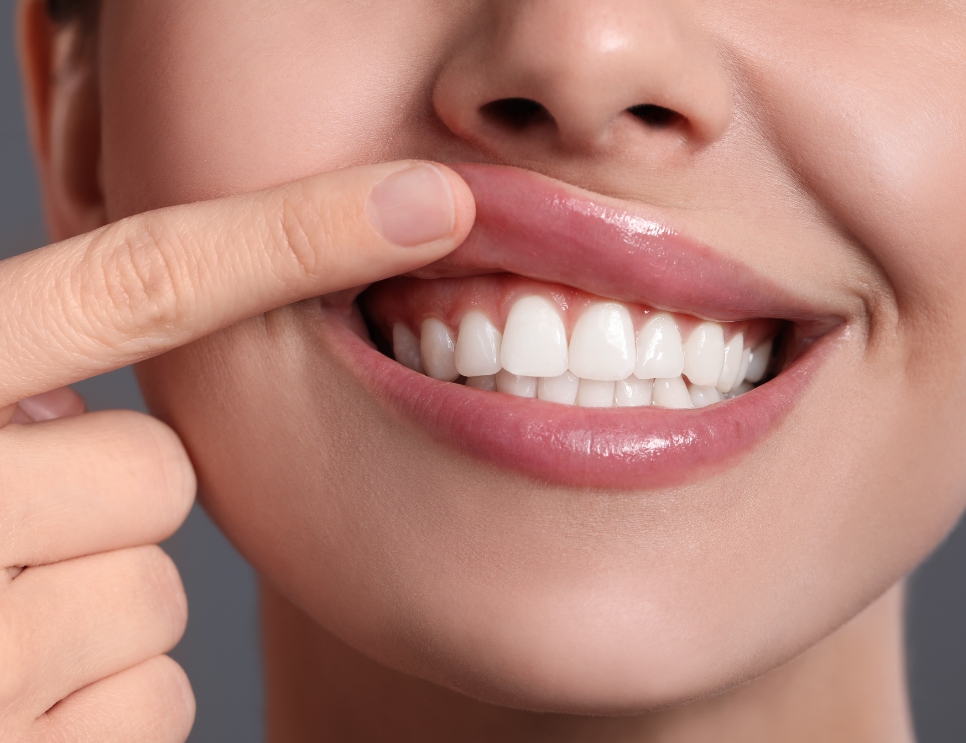
What to Eat for Healthier Gums and Enamel
We all know that what we eat affects our waistline, energy, and overall health, but did you know it has a huge impact on our teeth, too? That morning coffee, that mid-afternoon candy bar, even the way we hydrate can all change the way our smile looks and feels.
New research in dental nutrition is showing how much vitamins and minerals influence enamel strength, gum health, and even your risk for cavities. And the good news is that small changes in your diet can make a big difference.
Why Nutrition Matters
Your teeth and gums aren’t just passive structures. They’re living tissues that need support. Enamel, for example, is mostly made of calcium. Without enough calcium (or the right nutrients to help your body absorb it), your teeth can become more vulnerable to decay.
Gums thrive on vitamin C and antioxidants. Without them, inflammation sets in, bacteria flourish, and bleeding gums can signal the start of periodontal issues.
The Nutrients That Make a Difference
Calcium & Vitamin D: The dream team for strong teeth. Calcium builds enamel, and vitamin D helps your body absorb it. Think milk, yogurt, leafy greens, salmon, or just catching some sunlight.
Vitamin C: Your gums’ best friend. From citrus fruits to strawberries and bell peppers, vitamin C keeps gum tissue strong and resilient against infection.
Phosphorus: Works alongside calcium to reinforce teeth. Eggs, fish, beans, and nuts are all excellent sources.
Antioxidants (Vitamins A, C, E): They help fight inflammation in your gums and protect oral tissues from damage. So the more colorful your plate, the better your smile.
Water: The simplest, yet most overlooked nutrient. It washes away leftover food, neutralizes acids, and keeps your saliva flowing, which is one of your mouth’s best defenses.
Foods That Can Hurt Your Smile
Of course, it’s not all good news. Sugar-filled snacks, sticky candies, acidic drinks, and dark beverages like coffee and red wine can slowly stain enamel and feed cavity-causing bacteria. You don’t have to swear off your favorite foods, but understanding how they affect your teeth and maintaining good oral hygiene can make a real difference.
How to Eat for a Healthy Smile
Balance is key. Include plenty of fruits, vegetables, lean proteins, dairy or fortified alternatives, and whole grains, and snack smart. Cheese, nuts, or crunchy veggies aren’t just healthy; they naturally help clean teeth as you chew. Pair calcium-rich foods with vitamin D for maximum effect. And don’t underestimate hydration; a glass of water after meals can help protect enamel like nothing else.
At Tatum Dentistry, we believe a healthy smile comes from more than just brushing and flossing. Nutrition, lifestyle, and preventive care all play a role. If you’re curious about how your diet affects your teeth and gums, schedule a consultation. We’ll help you map out a plan that keeps your smile healthy for years to come.